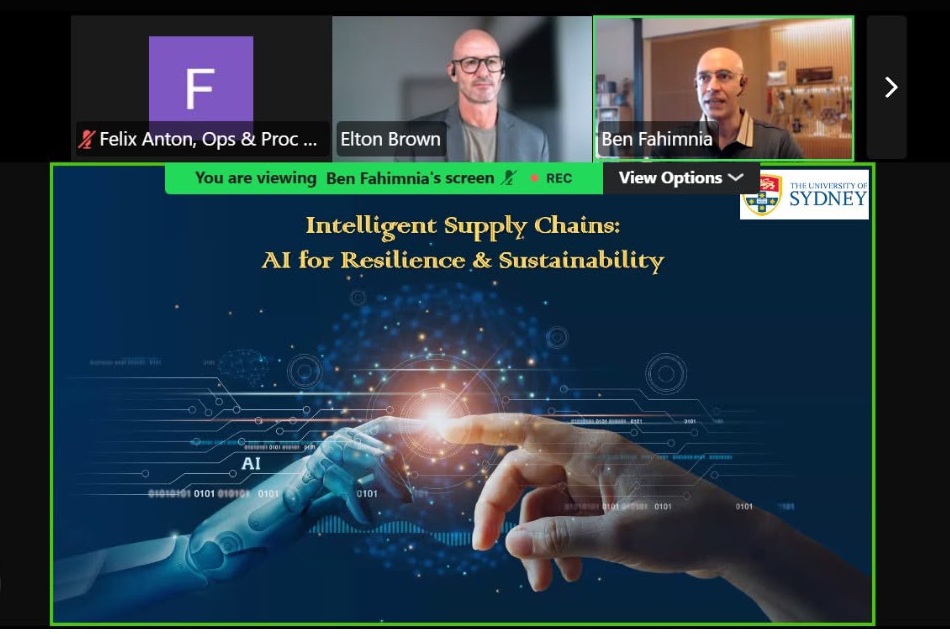
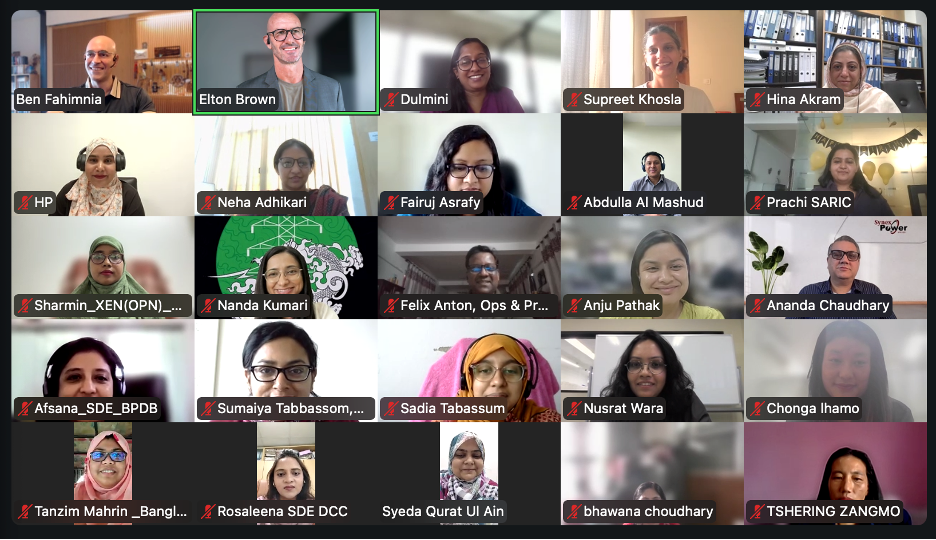
The Intelligent Supply Chain Management course led by Prof. Ben Fahimnia (UNSW Sydney) and Elton Brown (University of Sydney). The short course explored critical themes such as supply chain resilience in a rapidly changing global environment, digital transformation and the integration of advanced technologies, risk management and sustainable practices, the growing role of AI-driven tools in supply chain innovation. Participants found the course highly relevant, particularly as many are transitioning into procurement and supply chain-related roles in their current profiles. The interactive delivery featuring quizzes and practical insights was widely appreciated. Nanda Kumari from Bhutan Power Corporation reflected: “The course has been quite interactive and insightful, especially the quizzes at the end of each session, which helped reinforce our learning.” The course enabled participants to connect theoretical concepts with real-world applications, equipping them with practical tools to navigate increasingly complex supply networks.
SARIC partnered with the Australian National University (ANU) and University of Sydney to deliver two intensive virtual short courses from 10-12 June bringing together alumni from across all SARIC courses. Designed to deepen technical knowledge while strengthening alumni engagement, the courses focused on two critical and evolving domains: Intelligent Supply Chain Management and Climate Essentials. A total of 55 alumni attended the two courses. Both courses saw a strong participation from women, reflecting SARIC’s continued emphasis on inclusive capacity building.
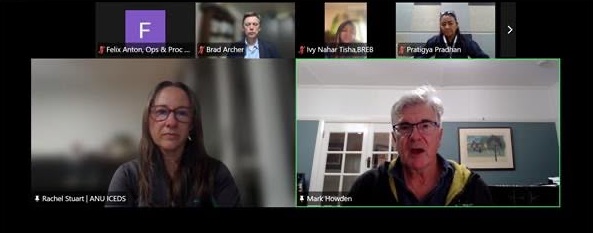
The Climate Essentials course led by Prof. Mark Howden (ANU) and Brad Archer (The University of Western Australia) offered a comprehensive exploration of climate science and policy, covering drivers and processes of climate change, future climate projections and emission reduction pathways, mitigation strategies, technologies, and targets, intersections of climate change with key sectors such as health, water, and food security, climate security considerations and the role of climate diplomacy. The course also delved into how values, beliefs, and societal attitudes shape climate responses, encouraging alumni to think beyond technical frameworks and adopt a more holistic perspective.
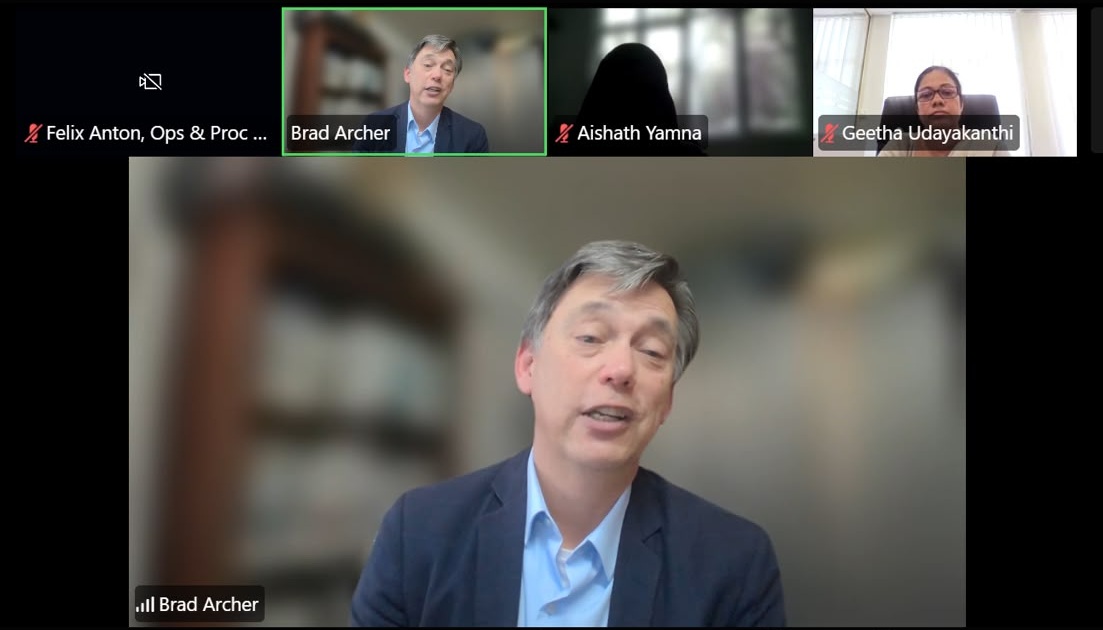
Alumni highlighted that the course significantly improved their understanding of technical terminology and concepts they encounter in their daily professional roles. Ivy Nahar Tisha from Bangladesh Rural Electrification Board shared – “I am currently part of a safeguards committee in my organisation, and this course came at the right time. It helped me better understand climate and environmental issues. I would welcome more collaborative courses like this.”