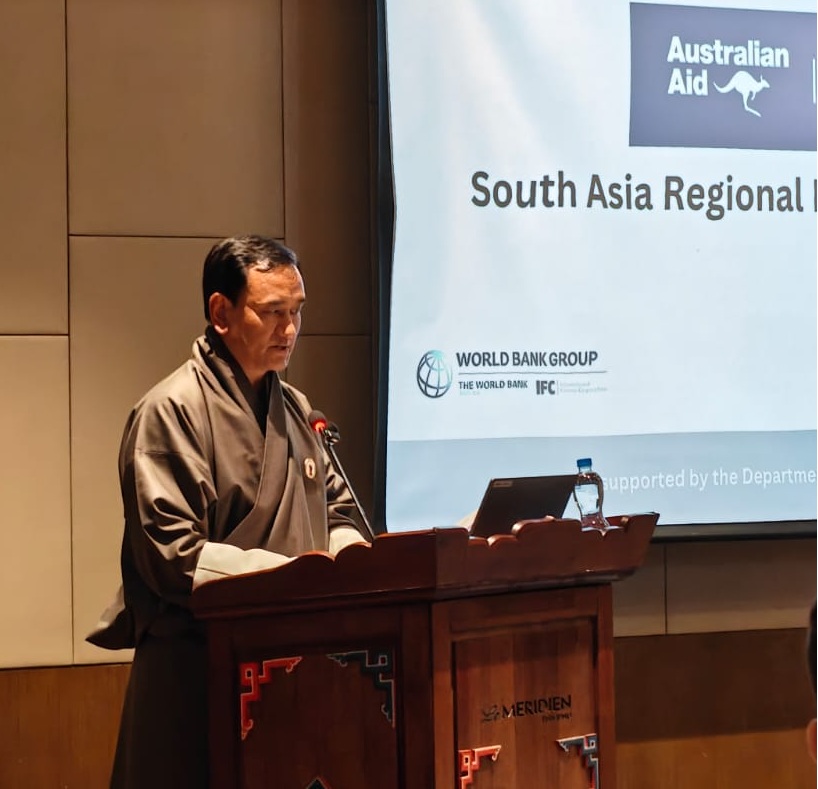
In his opening remarks, His Excellency Philip Green OAM, the Australian Ambassador to Bhutan highlighted the Dorjilung Hydroelectric Power Project as a strategic achievement for Bhutan and the wider South Asia region. He noted that the project reflects Bhutan’s ambition, strong regional cooperation, and a shared commitment to a clean and resilient energy future. With a planned capacity of 1,125 MW, the project is expected to significantly increase Bhutan’s energy generation, reduce seasonal energy imports, and enable the export of surplus clean energy, contributing to economic growth and job creation.
Networking in Thimphu
Thimphu | May 4, 2025
SARIC organised an alumni networking session in Thimphu, bringing together key stakeholders from Bhutan’s energy and infrastructure sectors. The event convened representatives from the Royal Government of Bhutan, Australian Government, World Bank and International Finance Corporation (IFC), alongside alumni from the SARIC and Australia Awards (AASAM) programs.
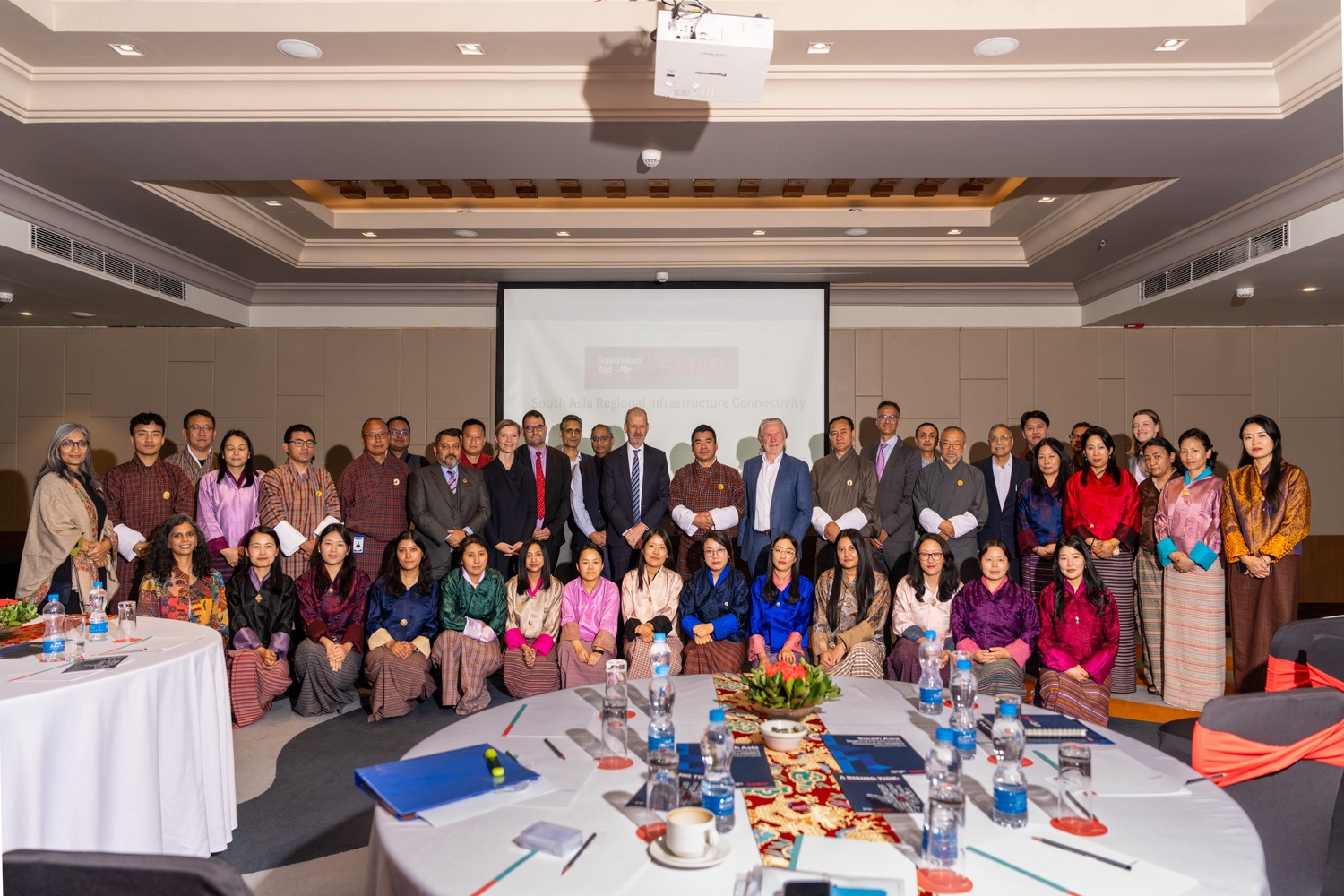
The evening brought together 45 participants from a range of institutions, including the Ministry of Energy and Natural Resources (MoENR), Ministry of Infrastructure and Transport (MoIT), Ministry of Finance (MoF), Bhutan Power Corporation Limited (BPC), Druk Green Power Corporation (DGPC), Druk Hydro Energy Limited, Electricity Regulatory Authority, and other public and private sector organisations. This diverse representation reflected the breadth of SARIC’s engagement across Bhutan’s energy and infrastructure ecosystem.
The networking event enabled alumni engagement, knowledge exchange, and regional collaboration. Alumni reconnected during the session, shared professional experiences, and reflected on their journeys and growth following participation in SARIC training programs.

A key highlight of the session was the alumni reflections, shared by Nanda Kumari (BPC) and Jamyang Tempa (MoENR). They shared insights into their professional journeys and the influence of SARIC’s training and networking initiatives on their work. Their reflections highlighted how these experiences have enhanced technical expertise, strengthened leadership and coordination capacities, and expanded professional networks across the region, enabling them to take on more strategic roles and contribute to national priorities in sustainable energy and infrastructure. They also illustrated the practical application of SARIC learnings in areas such as hydropower development, energy efficiency, and emerging sectors including green hydrogen, underscoring the importance of continued investment in human capital and institutional capacity.
The event reinforced key themes of regional cooperation, climate-resilient infrastructure, and innovative financing approaches in advancing sustainable development across South Asia. In this context, SARIC’s role in supporting climate-aligned infrastructure planning, cross-country learning, and collaboration across public, private, and technical stakeholders was reinforced.
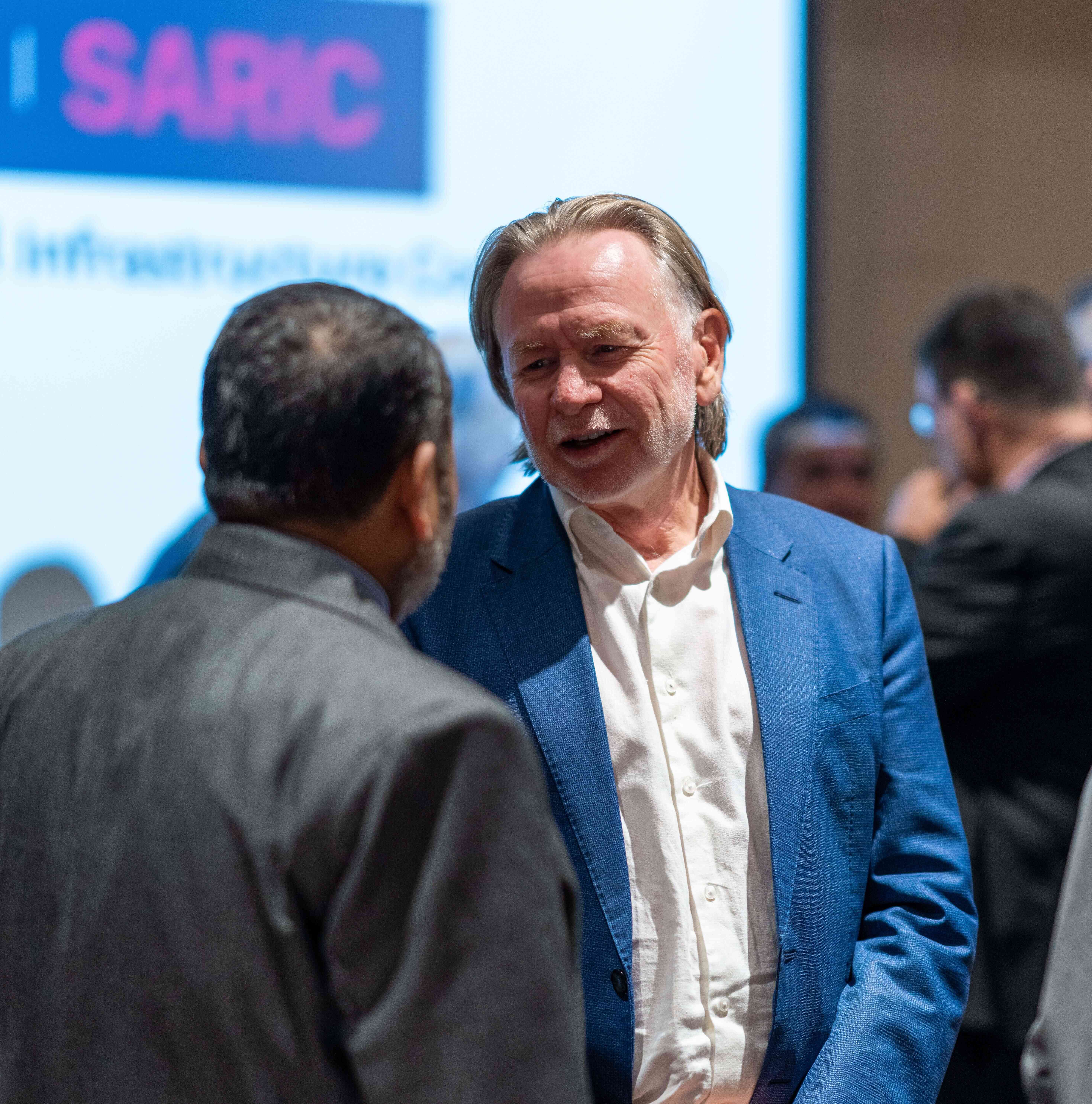
The networking session also enabled informal engagement, allowing participants to exchange ideas and explore opportunities for collaboration. Overall, the event highlighted the value of sustained alumni engagement and SARIC’s contribution to strengthening professional networks in the region, while supporting Bhutan’s transition towards a sustainable and resilient energy future.