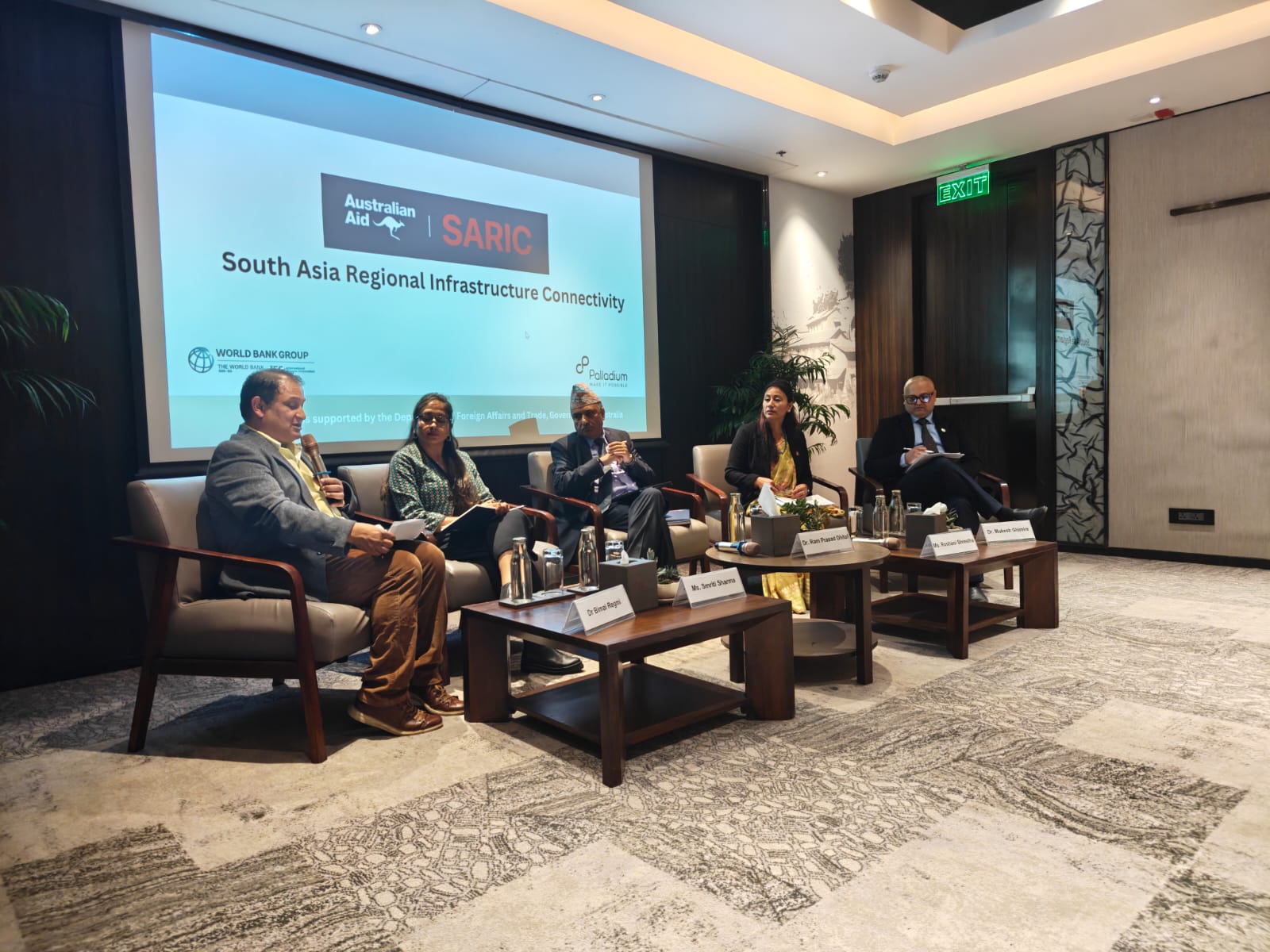
The session was curated for SARIC alumni from Nepal, bringing together representatives from World Bank, International Finance Corporation, the Ministry of Federal Affairs and General Administration, United Nations Capital Development Fund, The Asia Foundation, etc to engage on climate and disaster risk financing (DRF) in the Nepali context. The session aimed to strengthen domestic systems and regional collaboration to access and absorb climate finance at scale, develop climate and disaster risk financing instruments that protect public finances and vulnerable communities, and support a shift from reactive response funding to anticipatory and risk-informed investments. The panel discussion featured Dr Bimal Raj Regmi, climate resilience and natural resource management expert; Dr Ram Prasad Dhital, Chairman of the Electricity Regulatory Commission of Nepal; Smriti Sharma, Vice President, Nepal Infrastructure Bank Limited; Roshani Kumari Shrestha, Joint Secretary, NDMA; and Dr Mukesh Ghimire, Director at the Ministry of Energy, Water Resources and Irrigation. They examined key institutional and policy successes, as well as bottlenecks, in Nepal.
SARIC organised a knowledge and networking session in Kathmandu on 20 February 2026 on the theme “Unlocking Climate and Disaster Risk Finance for Nepal: Opportunities, Barriers, and Australia’s Role in South Asia.”
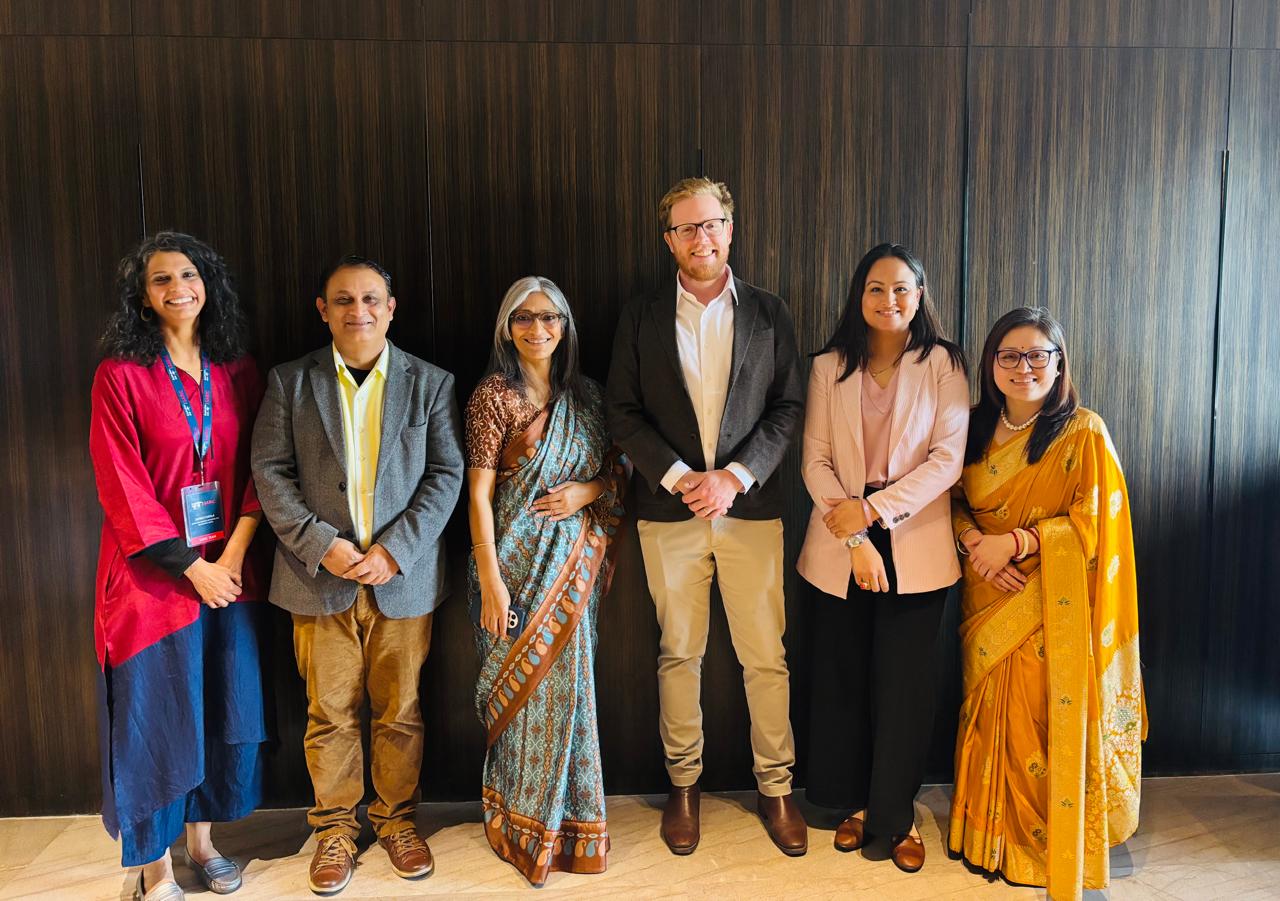

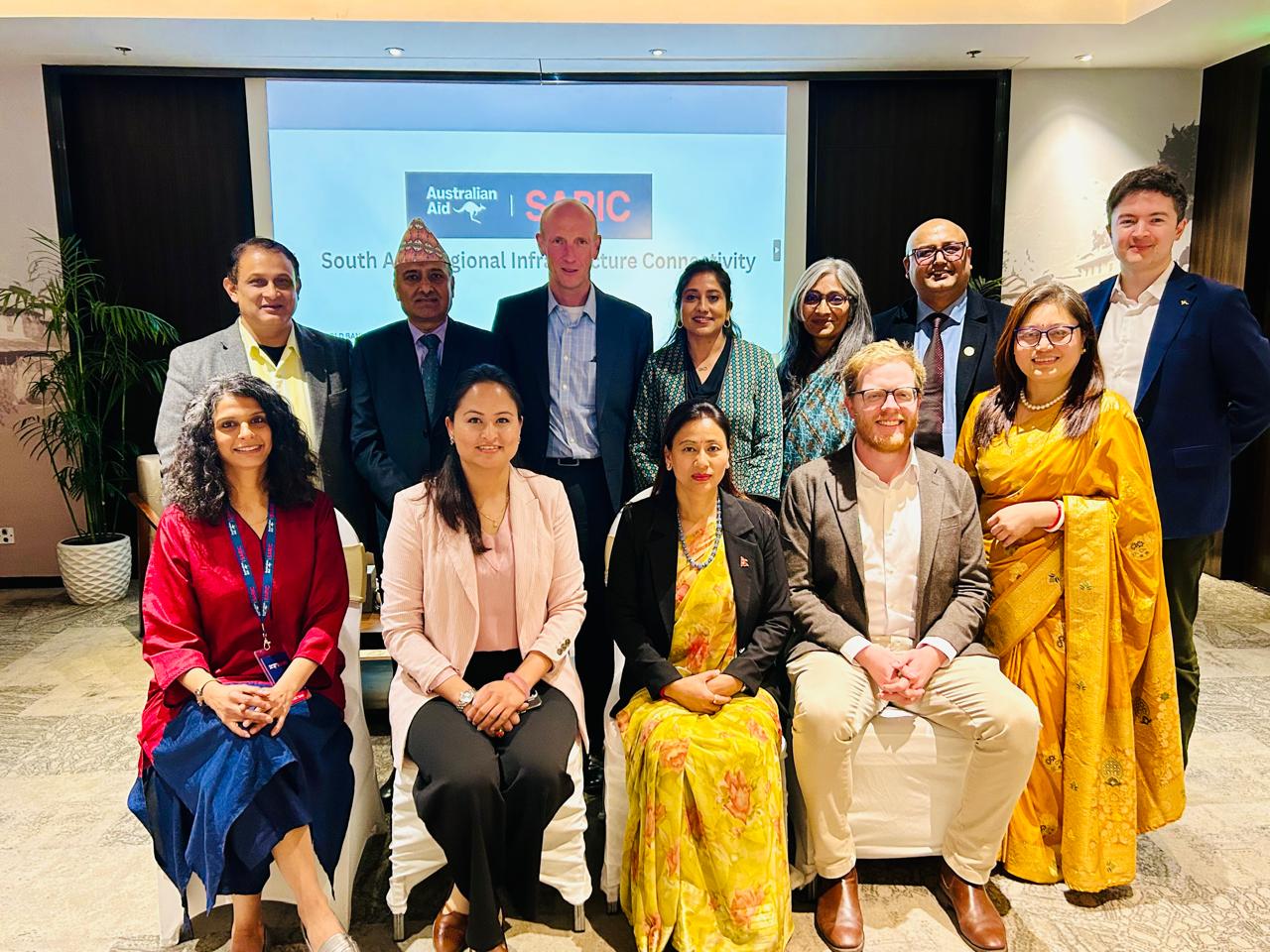
The main successes in climate and disaster risk financing included: enhanced national capacity to access and mobilise climate finance; increased private sector investment in clean energy; piloting of innovative instruments such as green bonds; and the use of risk transfer mechanisms. They also drew on their own experiences and lessons learned in emphasising the importance of institutional leadership, private sector initiatives, the achievements of accredited entities, and practical examples of risk transfer. Looking ahead, they underscored the need for greater knowledge exchange, policy and institutional reforms, capacity building, and stronger regional collaboration.
SARIC facilitated breakout discussions where participants actively engaged in identifying country-specific challenges, brainstorming innovative approaches, and outlining practical steps that could be taken within their respective organisations to advance climate and DRF-related policies. Participants noted that the session helped them address knowledge gaps on climate finance, regional collaboration, public-private engagement, and access to climate funds, while providing a valuable platform to interact with multiple stakeholders under one roof. In the concluding remarks, Ambassador Simon Ernst highlighted the urgency of aligning finance, policy and partnership to support Nepal’s resilient development pathways, reaffirming Australia’s commitment to climate-aligned investments in the region followed by a networking high tea attended by external experts, SARIC alumni & members, and representatives from the Department of Foreign Affairs and Trade (DFAT).