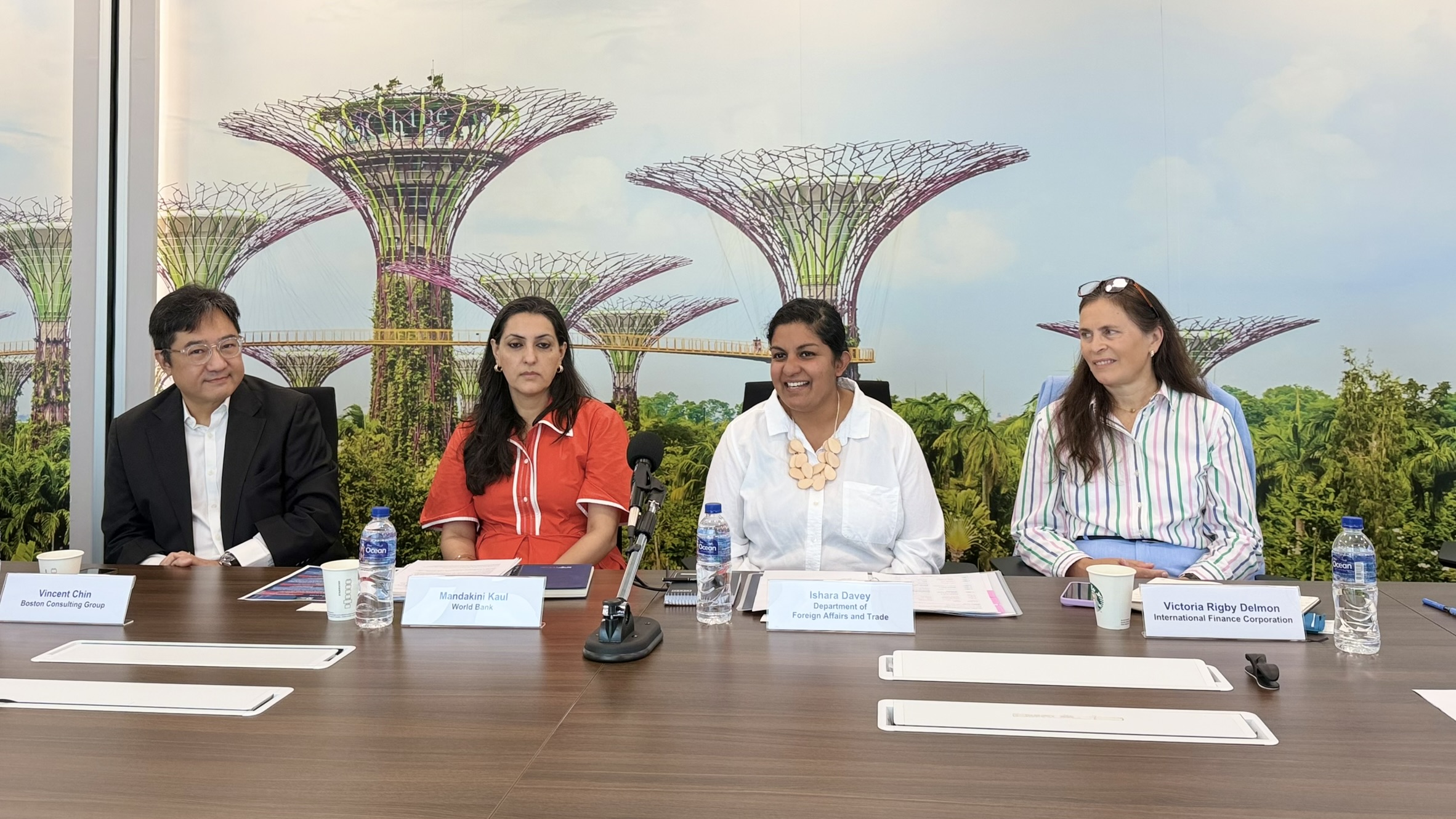
The first session, introduced by Adeel Syed (Senior Vice President, Corporate Development, GISI), focused on delivering infrastructure amid uncertainty. Speakers included Vincent Chin (Asia Pacific Leader – Social Impact, Boston Consulting Group), Mandakini Kaul (South Asia Regional Coordinator, World Bank), and Victoria Rigby Delmon (Regional Pre-Investment Head, IFC) discussed challenges around geopolitical tensions, economic constraints, and political instability. The discussion emphasized how governments and development partners can adopt innovative models to build more resilient and adaptive infrastructure systems.
Resilient Infrastructure Dialogue
Singapore | November 6, 2025
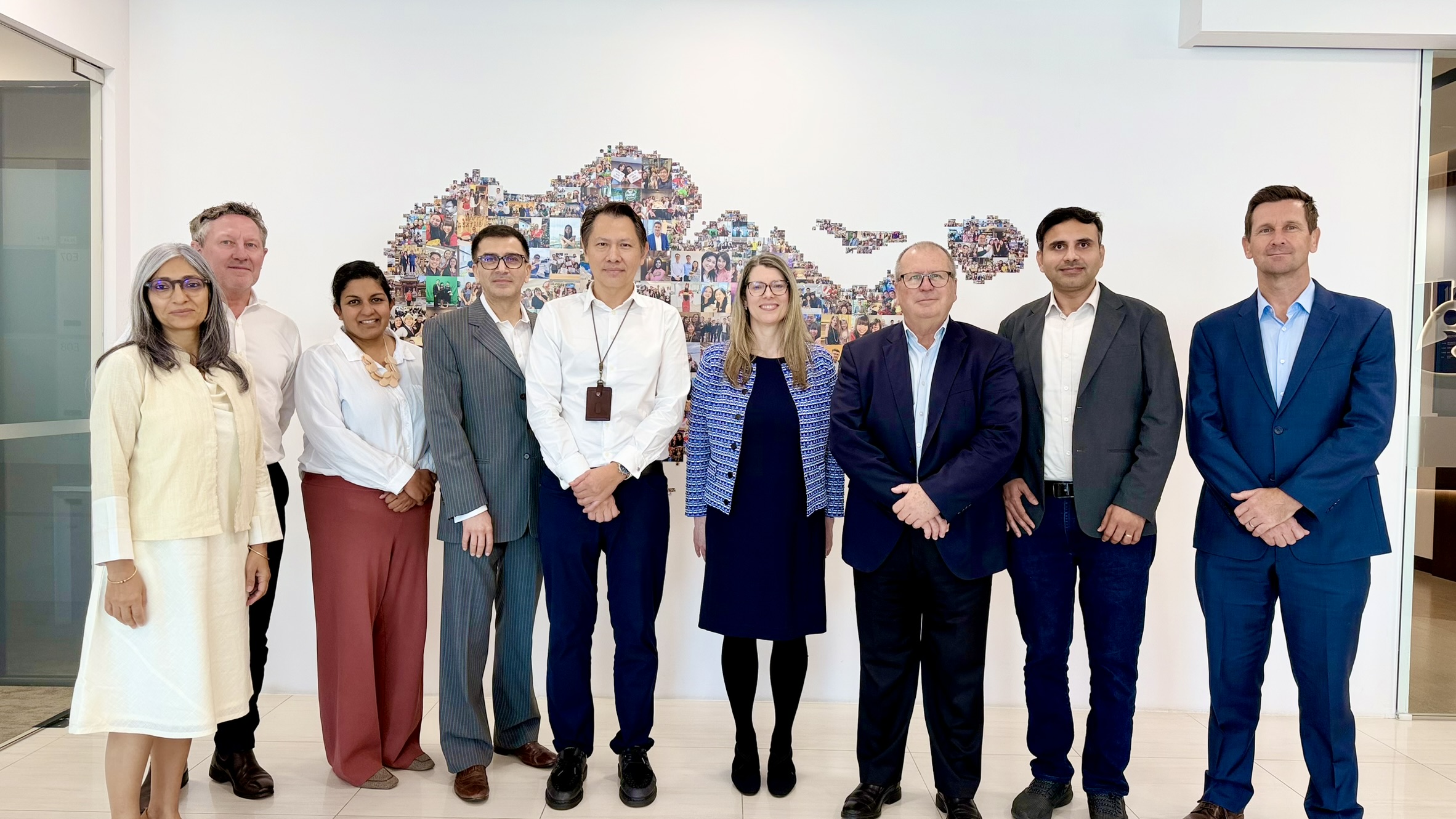
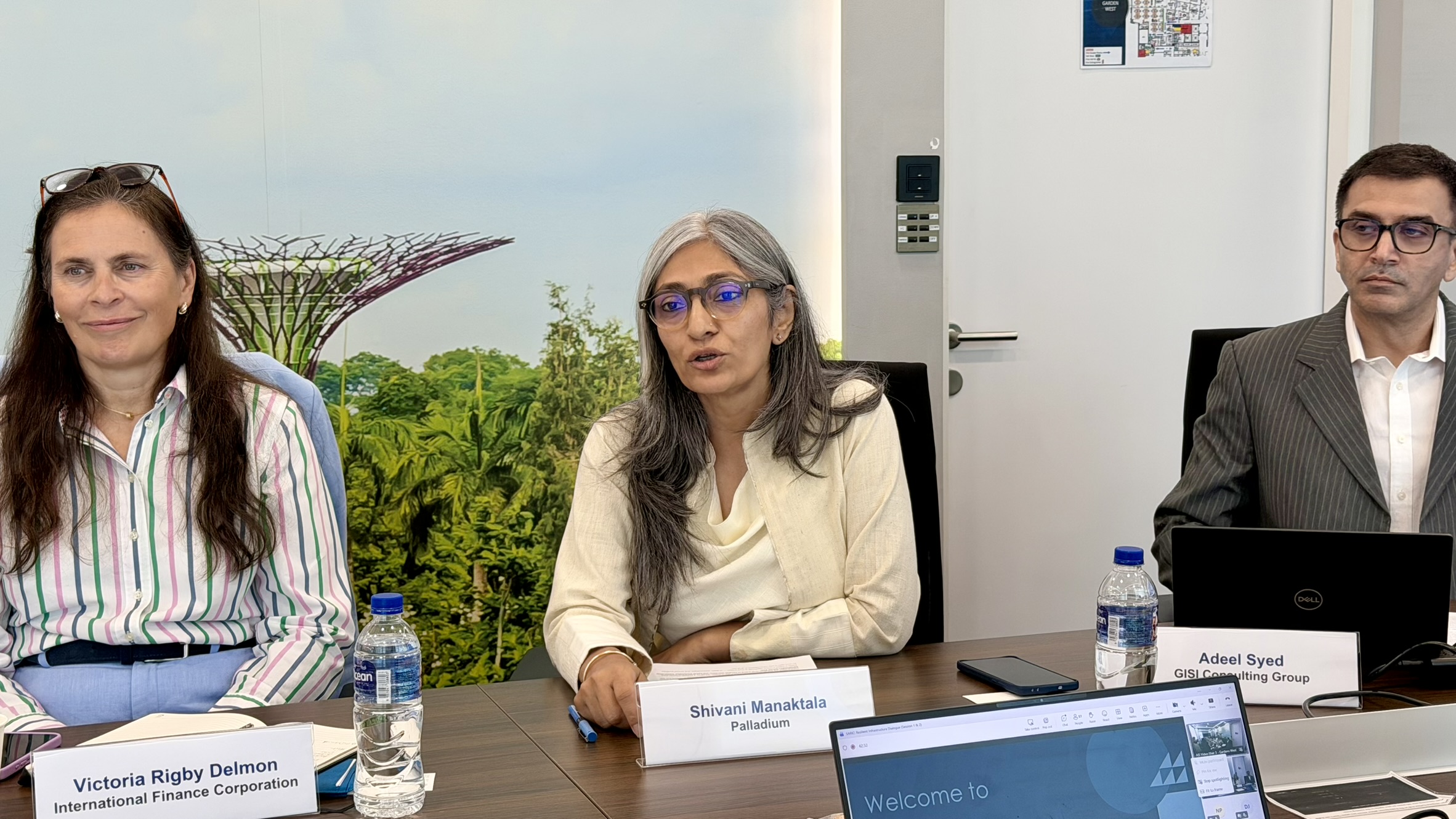
On 6 November 2025, SARIC partnered with Asia Infrastructure Solutions, Singapore, to deliver the Resilient Infrastructure Dialogue under the theme “Criticality of ESG and Digitalization.” The dialogue marked an important milestone in SARIC’s four-year journey of strengthening capacity building and knowledge exchange across South Asia. It aimed to promote cross-border learning and regional cooperation by sharing practical insights from infrastructure projects across South and Southeast Asia. The event brought together policymakers, multilateral development institutions, industry leaders, consultants, SARIC alumni, and infrastructure experts to discuss the growing importance of digitalization and sustainability in the infrastructure sector. Shivani Manaktala (Team Leader, SARIC TNS) opened the discussion by providing an overview of SARIC’s journey and expressing gratitude to DFAT and all other stakeholders on the program.
The second session explored the role of technology and data in improving infrastructure efficiency and sustainability. Yeap Bow Heng (Asia BIM Engineering Lead at AIS set the context by highlighting the role of integrated design models, digital project delivery systems, and structured information requirements in modern infrastructure development. Eng Tek Soon (Senior Regional Director, Bentley Systems), Havesh Nagarajan (Market Development Director, Bentley Systems), and Weni Maulina (MRT Jakarta) shared insights on managing urban constraints, environmental sensitivities, and stakeholder complexities. The discussion also underscored the importance of collaboration and optimized implementation timelines, supported by practical case studies from across Asia.
The third session focused on ESG as a key driver of resilient infrastructure. Tan Sue Zan (Director – ESG Strategy and Sustainability, Real Estate, Keppel) presented approaches to sustainable urban renewal with a focus on carbon avoidance, decarbonization, and energy efficiency. Kate Lazarus (Senior Environmental, Social and Governance Advisory Lead – East Asia, Pacific and South Asia, IFC) followed with insights on IFC’s ESG Advisory Program, emphasizing the importance of integrating environmental, social, and governance considerations into infrastructure investments to ensure long-term sustainability and resilience.
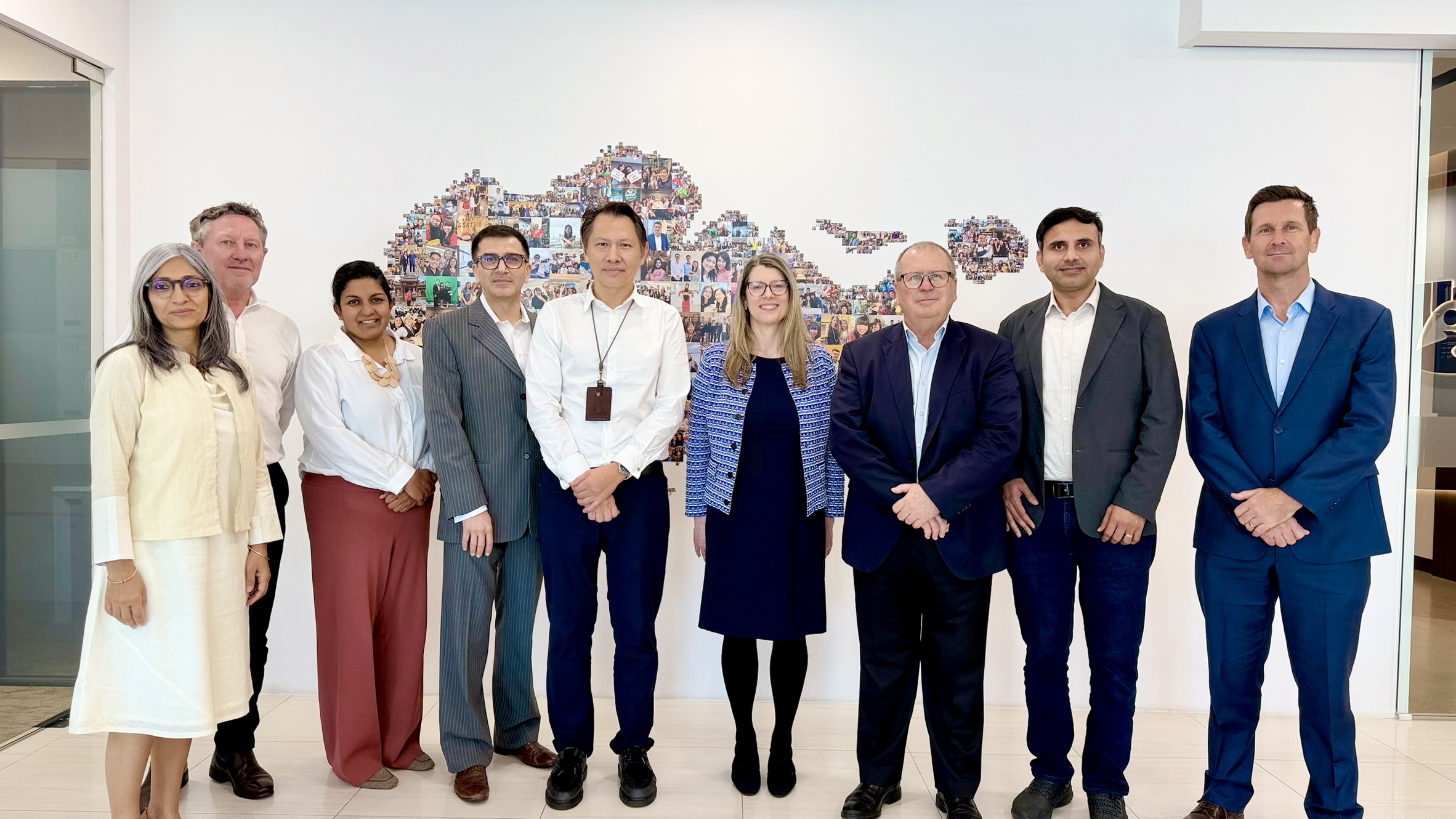
Reflecting on the dialogue, SARIC alum from Nepal noted: “The dialogue was helpful and closely aligned with my professional work, as it emphasized integrating digital data platforms with resilience planning. It reinforced the value of real-time monitoring, predictive analytics, and life-cycle assessment in anticipating infrastructure risks, particularly in the face of climate shocks.”
The hybrid event brought together 167 participants, including SARIC alumni and members of the infrastructure community from Australia, Southeast Asia, and South Asia. Participants expressed appreciation to the SARIC team and speakers for delivering a well-structured and insightful dialogue grounded in real project experiences, how digital infrastructure can enhance performance, efficiency, and reliability, enabling smarter operations and faster decision-making.